Editable Business Card Template: Modern & Minimal Design
First impressions are currency in the business world, and few tools carry as much weight in that initial exchange as a business card. For the entrepreneur, freelancer, or creative professional, the card isn't just contact information; it's a physical artifact of your brand's personality. A flimsy, poorly designed card can undermine credibility before a word is spoken, while a thoughtfully crafted one opens doors. The challenge often lies in achieving that professional, polished look without a designer's budget or extensive software knowledge. This is where a resource like the Editable Business Card Template steps in, bridging the gap between aspiration and execution.
The Anatomy of a Clean, Modern Template
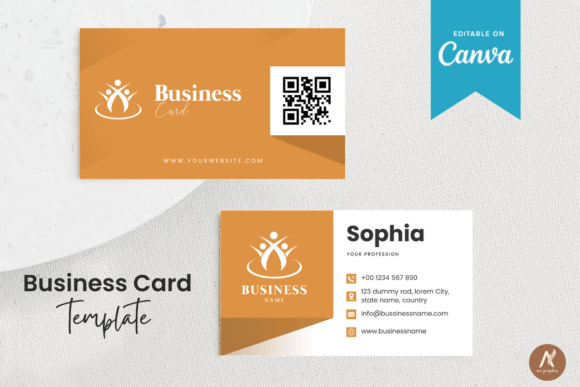
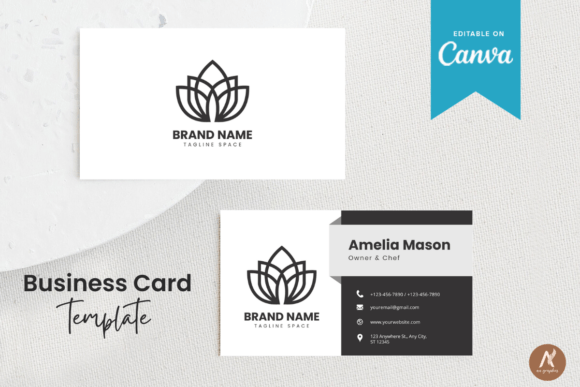
This particular template, designed for Canva, embodies the principles of modern typography and minimalist design. It avoids clutter, favoring a clean layout where negative space is as intentional as the elements it frames. The visual personality is confident, professional, and quietly sophisticated. It doesn't shout for attention with gimmicks; it earns respect through clarity and balance. The overall appeal lies in its versatility—it can feel corporate for a consulting firm, artistic for a photographer, or sleek for a tech startup, depending on the colors and fonts you choose. The two-page format (front and back) provides ample space to present information logically, preventing a cramped appearance that plagues many designs.
The strength of this Editable Business Card Template is its foundation in sound design principles. It likely uses a harmonious font pairing, perhaps a strong sans serif font for headings paired with a highly readable companion for body text. This creates a clear visual hierarchy, guiding the eye from the most important element—often your name or brand name—down to secondary details like email or website. The result is a card that feels organized and effortless to read, which is a subtle but powerful contributor to brand perception.
Practical Applications Beyond the Card
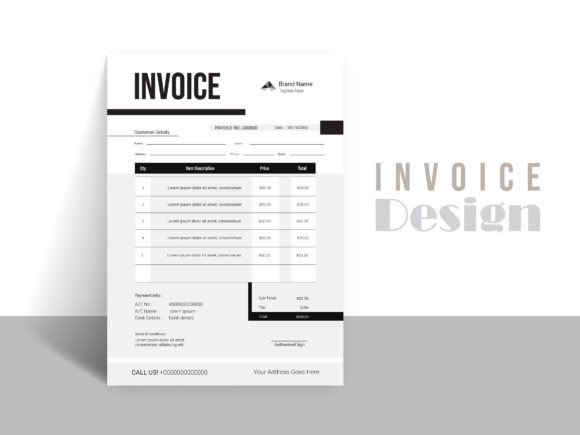
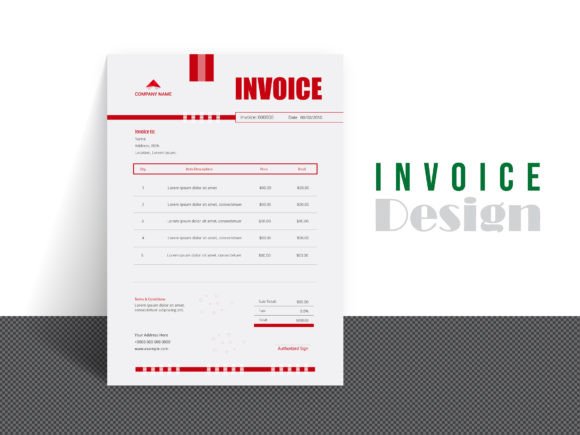
While its primary purpose is clear, the value of a well-structured template extends far beyond a 3.5" x 2" rectangle. The design system within this digital download is a blueprint for broader brand identity work. Consider the color palette and font choices you establish on your card. These become the cornerstone for all your marketing materials. The same premium font style can be applied to your letterheads, invoices, and email signatures, ensuring consistency across every touchpoint.
This approach is invaluable for creating cohesive social media graphics. Imagine your Instagram story templates or LinkedIn banners using the same typographic style and color scheme as your business card. This repetition builds brand recognition. Furthermore, the minimalist aesthetic translates perfectly to web design. The clean lines and balanced composition can inform your website's layout, from header styles to button designs, creating a seamless experience from the physical card to the digital space. For those involved in packaging design or editorial design, the template's principles of hierarchy and whitespace are directly applicable, helping to create layouts that are both beautiful and functional.
Making the Template Work for You
The true power of an editable business card template is unlocked through customization. This isn't about filling in blanks; it's about making strategic choices that align with your brand's core message. Start with the color palette. Canva's interface allows you to easily apply your brand's specific hex codes, transforming the template's personality to match your own. A dark, moody palette can evoke luxury and exclusivity, while bright, airy colors suggest approachability and creativity.
Next, consider the fonts. The template likely comes with suggested font pairings, but you're free to explore. If your brand voice is traditional and trustworthy, you might introduce a subtle serif font. For a more avant-garde or tech-forward feel, a geometric sans serif font could be perfect. The key is to test how these choices affect readability at a small scale. Print a test copy. Does the text remain clear? Is there sufficient contrast between the text and the background? A beautiful display font is useless if it can't be read at arm's length.
Think about the information architecture. What is the single most important piece of information for a recipient? For many, it's a website or a social media handle. Use the template's structure to emphasize that. The back of the card is often ideal for a logo, a tagline, or a QR code linking to a portfolio. This thoughtful arrangement enhances audience engagement by making the next step obvious and easy.
Evaluating Fit and Commercial Use
Before committing, evaluate if this modern business card template aligns with your project's scope. Its minimalist style is a strength, but it may not be the right fit for a brand that relies on ornate illustration or vintage aesthetics. Review the included files. A quality design asset will come with clear instructions—this one includes a Canva instruction file, which is a significant plus for those new to the platform.
Understanding the terms of use is non-negotiable for commercial projects. This template allows for broad commercial application—you can use it for your own business, for client work, and across all your marketing and publishing projects. The restriction is simple and standard: you cannot resell the template file itself as a standalone product. This ensures you can confidently use it as a foundational tool for your own brand or your clients' brands without legal ambiguity. It’s a commercial font and design asset in the truest sense, built for practical, real-world use.
In the end, a business card is more than paper and ink. It's a promise of quality, a token of professionalism, and a catalyst for connection. By starting with a robust, flexible editable business card template, you're not just designing a card—you're laying the first stone of a coherent and compelling brand identity. You're investing in a tool that saves time, reduces guesswork, and delivers a result that looks and feels custom-made. The digital file is just the beginning; the real creation happens when you infuse it with your unique vision.