Mastering Real Estate Roll-Up Banner Signage for Maximum Impact
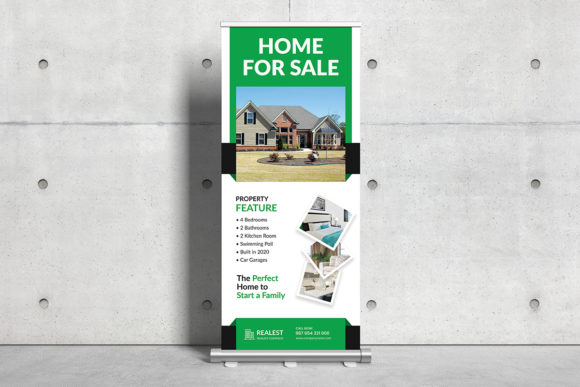
In the high-stakes world of property marketing, your physical presence at an open house or trade show is just as critical as your digital footprint. A static property listing is fine, but when you are standing in a room trying to close a deal, you need a tool that commands attention immediately. This is where the value of high-quality Real Estate Roll-Up Banner Signage becomes undeniable. It is not just a piece of printed vinyl; it is a silent salesperson that works the room while you focus on the client. When designed correctly, these banners anchor your booth, establish your brand identity, and provide a professional backdrop that builds trust before you even shake hands.
The Anatomy of a High-Converting Corporate Template
Creating a banner from scratch is time-consuming, and for many agents or small agencies, the cost of hiring a designer for every new campaign is prohibitive. That is why using a pre-built Corporate Roll Up Banner Template is such a smart strategic move. However, not all templates are created equal. You need a foundation that is not only visually appealing but technically sound for print production. A template designed specifically for advertising and marketing materials ensures that your message is structured correctly for the medium.
The specific template we are discussing here is built with the end-user in mind—someone who needs to get a message out quickly but refuses to compromise on quality. It is crafted in Adobe Photoshop, which remains the industry standard for raster image editing, making it accessible to a vast majority of marketers. The appeal lies in its editability. You are not locked into a specific aesthetic; you can easily swap out the text, change the logo, adjust the color palette to match your agency’s branding, and replace images to feature the specific property you are selling.
Technical Specifications That Matter for Print
When moving from screen to print, technical precision is non-negotiable. One of the most frustrating experiences in marketing is receiving a batch of banners that look pixelated or where the colors look washed out compared to what you saw on your monitor. This template eliminates those headaches through rigorous technical specifications.
First, it is Print Ready. This means the file structure is optimized for commercial printers. It utilizes CMYK Color mode, which is essential for accurate color reproduction in print, unlike RGB which is for screens. The resolution is set to 150 DPI at the actual print size of 30 x 70 inches. While 300 DPI is often the standard for brochures, 150 DPI is the sweet spot for large format signage because the viewing distance is much greater; the human eye blends the pixels, resulting in a sharp image without creating an unmanageably large file size.
Furthermore, the file includes a 0.25-inch bleed. If you have ever printed a design and seen a tiny white line at the very edge where the cutting blade missed slightly, you understand the frustration of missing a bleed. This safety margin ensures your design extends to the very edge of the physical material. The layers are fully organized, meaning you won’t waste hours digging through a chaotic file structure to find the "Header Text" layer.
Typography and Brand Identity
A design is only as good as its typography. In real estate, readability is paramount. You want potential buyers to be able to read your contact details or the property address from across a crowded room. This template utilizes Google Fonts and popular, free fonts, which is a massive advantage. It removes the legal risk of accidentally using a pirated commercial font, which can result in heavy fines for businesses. It also ensures that if you need to edit the text on a different computer, you can easily download the matching typeface.
The choice of font influences the brand personality. A modern sans-serif font suggests a contemporary, approachable agency, while a classic serif font might convey tradition and luxury. By using a template with well-chosen typography, you leverage modern typography trends without needing a degree in graphic design. The visual hierarchy—the way the eye moves from the headline to the sub-header and then to the contact info—is already established for you. You just need to plug in your content.
Practical Applications Beyond the Open House
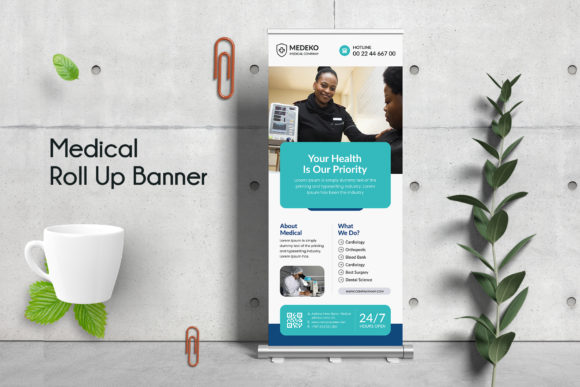
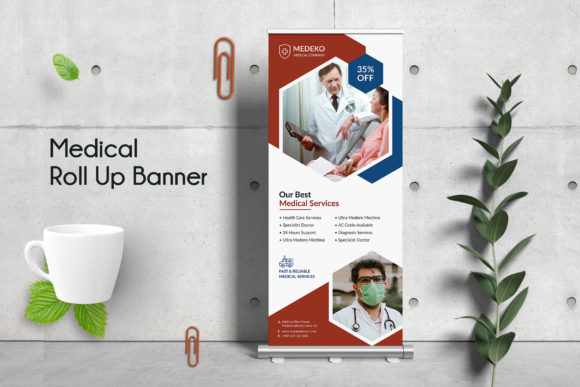
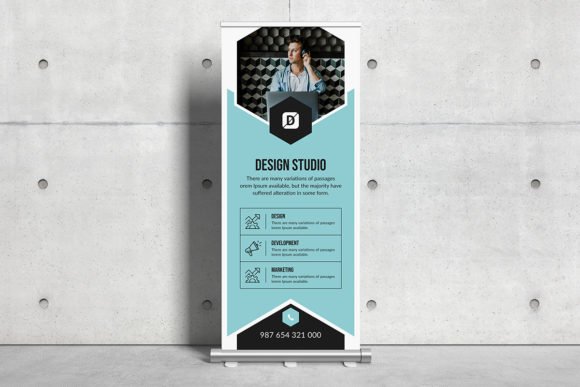
While the primary use case is Real Estate Roll-Up Banner Signage, the versatility of a Corporate Roll Up Banner Template extends far beyond property listings. Because the layers are fully editable, this file serves as a robust asset for various marketing materials.
Consider using this template for:
- Trade Show Booths: Stand out in a sea of competitors at industry expos.
- Corporate Lobbies: Welcome clients with a display of your services or mission statement.
- Event Backdrops: Use it as a step-and-repeat background for photos at charity galas or community events.
- Seminars and Workshops: Display your agenda or speaker bios professionally.
The inclusion of Smart Objects in the PSD file is a game-changer for mockups. A Smart Object allows you to place your design into a 3D scene (like a photo of a trade show floor) to see exactly how it will look in real life before you send it to the printer. This helps in evaluating the scale of your graphics and ensuring your brand identity translates well from a flat 2D screen to a physical 3D environment.
Streamlining Your Workflow with Design Assets
For entrepreneurs, small business owners, and content creators, time is the most valuable resource. Fiddling with pixel-perfect alignment or struggling with complex software interfaces drains creative energy. This template is designed to be easy editable, streamlining your workflow so you can focus on strategy rather than execution.
Imagine you are a property developer launching a new luxury condo. You don't just need a banner; you need a cohesive brand identity across social media graphics, packaging design for brochures, and web design for the landing page. By starting with a professional template, you establish a visual style guide—colors, fonts, and layout ratios—that can be manually replicated across other platforms. It acts as the anchor for your entire campaign.
It is important to note the disclaimer: Photos are not included. This is actually a benefit. Stock photos of generic smiling families often look fake and can hurt your credibility. By allowing you to insert your own high-resolution photos of the actual property or your professional headshot, the template ensures the final product feels authentic and trustworthy. You control the imagery, ensuring it speaks directly to your target demographic.
Evaluating Fit and Finalizing Your Design
Before finalizing your banner, take a moment to evaluate the project fit. Does the layout match the amount of text you need to include? If you have a lot of bullet points about property features, ensure the template has enough negative space to accommodate them without looking cluttered. White space is not wasted space; it is a design element that helps the viewer process information.
Test your font pairings. Even though the template comes with recommended fonts, you might want to swap the body text for a script font to add a touch of elegance, or a bold display font for the headline to create more drama. However, stick to a maximum of two or three typefaces to maintain professionalism.
Finally, when you send this file to the printer, double-check that you have flattened the layers or saved a copy specifically for print (usually a PDF or high-res TIFF) to preserve the CMYK settings. With its high resolution and organized structure, this Corporate Roll Up Banner Template is more than just a file; it is a professional toolkit for anyone serious about their physical marketing presence. It bridges the gap between amateur flyers and agency-level design, giving you the confidence to walk into any room and own the space.